Veterans

Specialized Care for Veterans

When Veterans and service members are referred to Braxia Health for treatment, we take a specialized approach that takes into account the unique experiences of military life. We can also work directly with your health insurance where applicable to offer direct-pay processing and minimize up-front expenses. For in-clinic treatments, we can even coordinate free transportation for many patients to reduce barriers to access even further.

Clinic 2

Understanding Mental Health Needs of Veterans

Military service often involves prolonged stress, high-risk environments, and exposure to traumatic events. Transitioning to civilian life can also present emotional and psychological challenges. These experiences may contribute to:

  • Major Depressive Disorder
  • Bipolar Disorder
  • Post-Traumatic Stress Disorder (PTSD)

IV Psychedelic Therapy may help improve these conditions in veterans who have not seen success with traditional treatments.

Symptoms of PTSD in Veterans

PTSD can affect veterans in different ways, often impacting emotional, psychological, and physical well-being. Symptoms may appear shortly after trauma or months—even years—later.

  • Reliving the Event: Individuals may repeatedly re-experience the traumatic incident through vivid flashbacks, distressing nightmares, or intrusive thoughts, often feeling as though the event is happening again in the present moment.
  • Avoidance: Individuals may deliberately avoid people, places, conversations, or activities that remind them of the traumatic experience, often withdrawing emotionally or socially in an effort to prevent distressing memories or feelings.
  • Persistent Negative Emotions: Individuals may experience ongoing feelings of fear, guilt, shame, anger, or hopelessness, along with a diminished ability to feel positive emotions, which can significantly affect relationships, self-esteem, and overall quality of life.
  • Hypervigilance or Hyperarousal: Individuals may remain in a constant state of heightened alertness, feeling tense or “on guard” even in safe environments. This can include being easily startled, experiencing irritability or anger outbursts, difficulty concentrating, and persistent sleep disturbances.

PTSD Treatment for Veterans

PTSD can significantly impact a veteran’s emotional health, relationships, and daily functioning. Effective treatment requires a structured, trauma-informed, and individualized approach that addresses both psychological and physiological symptoms. With the right clinical support, many veterans experience meaningful recovery and improved quality of life.

  • Trauma Focused Psychotherapy: Specialized therapies help veterans safely process traumatic memories and reduce the intensity of emotional triggers.
  • Cognitive Behavioral Therapy: CBT assists in identifying harmful thought patterns, decreasing avoidance behaviors, and building healthier coping strategies.
  • Medication Management: Clinically appropriate medications may be prescribed to manage depression, anxiety, sleep disturbances, and hyperarousal symptoms.
  • Group Therapy & Peer Support Programs: Veteran-centered group settings foster connection, reduce isolation, and provide shared understanding among individuals with similar experiences.
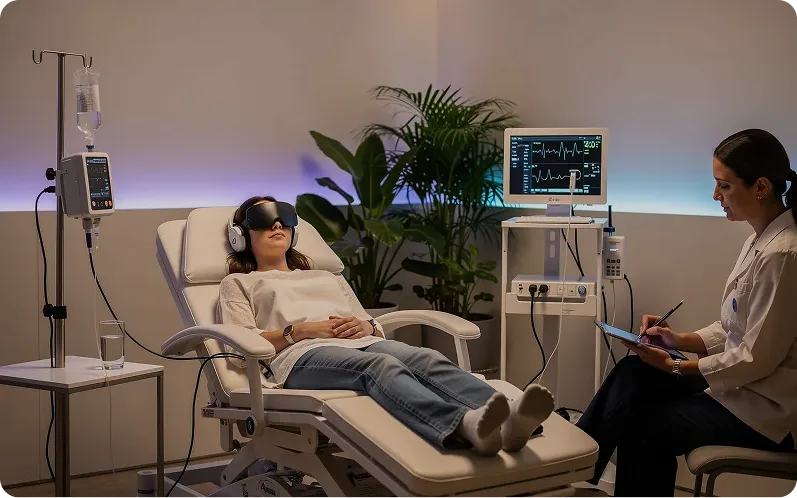
  • IV Psychedelic Therapy: Especially for Veterans with treatment-resistant mood disorders, IV Psychedelic Therapy can be a life-changing solution when other options have proven unhelpful.

Begin the Path to Recovery